I’m popping a content warning at the top of this one: I’m going to talk about mental health and quitting the PhD. If that’s not good for you to read right now, feel free click away.
As lockdown closed on Australia in March, I posed a question: should you quit (go part time or pause) your PhD during Covid? I got a number of letters in response. This one is fairly representative:
I’m 4/6 years into my PhD and it seems so pointless for me now to finish it. I haven’t made a decision yet and I’m not sure what I would do next but I had few options that I stopped exploring as people were telling me I was nuts for considering quitting. Reading your article made me feel like it was ok to ask myself this question.
This same sentiment can be seen in previous comment threads on Thesis Whisperer posts about quitting. People who are thinking of quitting – and that might be you right now – are not ‘nuts’. Wondering if you should continue with a PhD is an entirely rational response to these dark and uncertain times.
A recent survey of over 1000 PhD students coming out of the University of Sydney, The Quiet Crisis of PhDs and COVID-19: Reaching the financial tipping point, was full of shocking statistics. Some PhD students are already experiencing homelessness as a result of Covid. 45% of people surveyed reported being so pushed financially that they do not think they can keep studying past the end of the year. It’s possible fully half of Australia’s PhD students are considering ‘disengaging’ from their studies right now.
Let’s dwell on that astounding number for a moment. Close to half of PhD students are contemplating leaving their studies in the next six months. Things are so desperate that 5% are couch surfing or sleeping in cars and 75% expect to experience financial hardship because of Covid. (ANU students: many of us are contributing to the ANU Urgent student relief fund out of our wages each week. Please don’t go hungry).
The last thing a person under stress needs is to be shamed and told they are nuts. If you are want to quit or ‘disengage’ from your PhD and you’re finding people around you are not particularly supportive – read on. If you are hearing others talking about quitting and feeling uncomfortable, definitely read on. If you are supporting a PhD student, as a supervisor or partner, and feeling powerless to help you might want to read on too. We need to be able to talk about quitting without shame and judgement.
First: if you are close to the end of your PhD and thinking of quitting, you are not weird and defective. Even before Covid, around 25% of people who start a PhD don’t finish, but most don’t quit until they are more than halfway to graduating. The decision to leave usually happens in stages and financial distress is often the thing that tips people over the edge.
If you are experiencing people around you as more of a hindrance than a help at the moment – this is entirely normal too.
As you can imagine, I’ve had a lot of “I’m thinking about quitting” conversations with students over the 15 or so years I’ve been Whisperering. I strive to create a safe space on campus for these conversations, so I get a lot of referrals. (My office is well stocked with tissue boxes that have pictures of puppies on them. And chocolate: those feelings won’t eat themselves).
Most students who find their way to my office complain bitterly that others are not taking them seriously when they say they want to quit. They tell me how friends, families and supervisors try to push their anxiety away. They tell me people tend to respond in one of three ways:
1) Your listener tells you not finishing is a ‘waste’ because you have already invested so much time and effort.
2) Your listener assumes, deep in your heart, you really want to finish, and it’s their job to remind you how you really feel.
3) Your listener deflects the conversation, either by making it into a joke or abruptly changing the subject.
The responses of people to quitting talk, particularly the last one (deflecting), remind me of the cancer patient experiences that Arthur Frank offers in his book The Wounded Story Teller. Frank describes how cancer patients can have a hard time talking to their loved ones about their fear of death or end of life wishes. Instead of sitting with the swirl of negative emotions that talk of dying provokes, loved ones try to stop the conversation by saying things like “you can fight this” and “don’t give up!”. As Frank points out, these seem like compassionate responses, but they are not particularly useful – or kind – to the patient. Frank explains how unhelpful ‘you can do it’ talk makes the patient responsible for something they had no control over and denies them space to express their pain and fear.
A refusal to engage properly with quitting talk is usually (although not always) coming from a good place. Families encourage people to continue because they are invested in the student’s success and/or think that finishing will make them happy. Some supervisors see their students quitting as a personal failure; less emotionally attuned ones see quitting as a waste of time and potential. The more selfish supervisors do not want to lose a cheap worker and co-author. I find the response of other PhD students the most curious: I’m told they can be some of the quickest to shut quitting talk down. Are they triggered by hearing their own inner doubts coming out of someone else’s mouth?
How should you react to quitting talk? Usually, people who talk about quitting simply want to be heard and have their struggle witnessed, so the best thing you can do is just listen. These are not easy decisions. You can serve people better by creating space to have the feelings safely and without judgement.
It’s surprising how difficult it can be for people to listen without judgment in academia. I guess we are not trained that way.
One of the most popular posts on the Whisperer is Academic Assholes and the circle of niceness, where I talked about the tendency of academics to conflate meanness with smarts. Another feature of academia, which I haven’t really talked about before, is ‘toxic positivity’: not showing weakness and pretending everything is ok, when it’s really not.
Academia seems to be a profession where people seem to find it difficult to fully express grief, loss, disappointment and shame, possibly because of the competitive environment created by a scarcity of positions and resources. Toxic positivity stops people from admitting they are depressed, lonely or struggling to cope with the pressure and the pandemic has just sharpened this tendency.
Some academics have practiced toxic positivity so long they have become truly toxic people. I’ve heard gobsmacking reports of truly horrible behaviour in lockdown; disappointingly, some of it from our leaders. A special shout out to the VC who accused their staff of stealing equipment when they were actually taking it home so they could, you know – keep on teaching. This same VC roamed the empty halls, raging at the people who decided to stay home during lockdown because she hadn’t closed the campus. She even filmed herself doing it and sent it to internal staff mailing lists.
It smacks of the ‘back to work peasants!’ mentality we have got from sections of the right wing media and business elite. Speaking of oppression, don’t even get me started on how useless some of our Union leaders have been in this crisis. It seems some have been more interested in silencing dissent than creating #solidarity.
It’s not all bad of course. Our own VC, Brian Schmidt, has been fantasic. He shut our campus to keep us safe, Zoomed from his kitchen table and baked bread, just like the rest of us. We all deeply appreciated the gesture of cutting work hours so that people could do caring duties during lockdown. I also hear stories of compassion and thoughtfulness in our university communities. I witness the dogged determination of colleagues to keep teaching and researching – I particularly admire those who do this knowing their jobs will not be there next semester.
People are showing their true selves under pressure.
But toxic positivity, especially when coupled with poor academic leadership, has a chilling effect. People are even less likely to talk openly about their personal difficulties in an atmosphere of fear and uncertainty. The last thing people want, especially when redundancies are in the air, is the perception that they are ‘weak’. The weak get left behind on the frozen tundra when famine hits. Which brings me to a bigger, and much more unspoken problem in academia: mental health.
All of us are potentially vulnerable and can suffer poor mental health – even people who look ‘strong’. While we are happy to talk about PhD student mental health, even label it a ‘crisis’, we rarely turn the spotlight on the academics who teach and mentor them. This silence serves to reinforce an artificial divide between staff and students about the effects of academic cultures on our health and wellbeing.
I refuse to continue my own silence.
I’ve been a full time academic since 2000. I’ve achieved a lot in that time, sure, but I’ve also worked non-stop, with very little rest, for 20 years. My peers tell me my work ethic and output is an inspiration, but it can take a huge toll on me behind the scenes.
At the start of 2019 I literally collapsed while in the UK and then spent weeks in bed with a combination of exhaustion and vertigo. It took a lot of time, effort and therapy to find my way back to health, but ever since I have found I’m more vulnerable to the ordinary pressures of academic life. I also have a hard time resting properly and with the whole ‘self care’ thing. As a result, I created the conditions for a second collapse, which happened in March this year. My second meltdown was triggered by the disruption and general panic at the start of the pandemic in Australia, which was hard on the heels of our Black Summer.
I was in Sydney during Feburary on a bit of leave. Towards the end Mr Thesis Whisperer and I, who had been sharing a small hotel room, both developed a slight sniffle and cough. I went out and about socialising as usual (oh those innocent, pre-pandemic days) before I realised I’d given my low level coughing virus to a number of friends and colleagues. On March the 13th, after learning of asymptomatic spreaders, I went to the doctor. It wasn’t easy to get tested back then – you had to be really sick and I wasn’t. But my GP, hearing I’d given a lecture in Sydney the day before, muttered something about ‘possible super spreader’ and stuck a swab up my nose.
There is no ‘ordinary sick’ in a pandemic. While I waited for the results, I went into a spiral of anxiety and sleeplessness. I convinced myself I had killed people I love. In the end I tested negative but never did the term ‘worried well’ have such resonance.
I literally worried myself sick.
For me, extreme stress manifests as weird nerve sensations, breathlessness and dizziness. They call it mental health, but I definitely feel it in my body. I’ve come to view my mental health fragility as being similar to my bung right ankle – most of the time it’s fine, but if I walk 15km around Tokyo for 3 days straight, I can expect problems. I might even end up on crutches.
I had to take drastic action this time. I surrended my phone to Mr Thesiswhisperer so that I didn’t doomscroll social media or consult Dr Google about my weird bodily sensations at 4am. I started taking some valium to help me sleep. As far as possible, for the next couple of weeks, I did nothing but sit on the back deck in the sun. With the help of family and friends, I was able to pull myself together get back to work.
This second episode forced me to face up to my vulnerability and explore medication to help me cope better in the future. After just one pill, the continual knot in my stomach (which I thought was just part of being human) was suddenly gone. I could think more clearly and interrupt unhelpful thought patterns. What a revelation!
I’m such a convert to anti-anxiety medication I cheerfully tell people the pills help calm my inner anxious monkey, who wants to run up a tree at the first sign of trouble. But I’ve noticed the reactions I get to mental health talk are similar to the reactions around PhD quitting talk. Some people brush the revelation off, clearly uncomfortable with any kind of ‘weakness’. Others embrace the chance to talk about a ‘taboo’ subject and share their own medication stories. I had no idea so many people around me at work were on some form of pill or other to cope. I realise now how many academics who seem serene and strong are battling their own personal demons.
Thank you to everyone who was with my in my dark tea time of the soul and listened to me without judgement. I feel a bit vulnerable telling the rest of the world what happened, but I’m resisting the chilling effects of toxic positivity. It’s important to show that you can be successful in academia and struggle with mental health at the same time.
So, if you’re thinking about quitting, stressed out and having trouble talking with people you love about these feelings, the first thing to realise is: you are not alone. Recognising and resisting toxic positivity is a critical professional skill to cultivate and getting in touch with your own compassion is a good place to start.
Try not to be angry with people who think they are helping you but are making things worse. Recognise they may not be trained to listen and might be suffering, just like you. Maybe share this post with them. Or, try to find people who will listen without judgement – this is what university mental health services are for. Professional counsellors can show you how to have these important conversations with your loved ones and supervisors.
Just as talking about mental health does not make you weak, making a space for people to talk about quitting the PhD does not make more people leave. More than 90% of people I’ve had the quitting conversation with decide to continue. People who leave are more likely to do so in silence, often not even telling their supervisors or university administrators. I firmly believe that talking openly about quitting makes the agonising process quicker and easier. Sometimes people need to hear themselves talk to be able to critically examine their own feelings.
If you don’t talk about your decision with someone, and just decide to press on without help, you’ll just limp to the finish line, continually wondering if you’re doing the right thing. It’s also OK to come to no clear decision right now – uncertain times, right? Taking some kind of action about the indecisiveness can help, but only if you feel up to it. You can look for another job outside academia and continue your studies at the same time (ANU students, you have access to PostAc to see your options). Or you can just hit the pause button and take some time away to see how you feel without the PhD in your life for a while.
Remember: there is no right or wrong, only what brings you joy, peace and a good life: whatever that means for you.
Coronavirus and EducationHow schools and colleges are responding to COVID-19
The rapid spread of the coronavirus disease 2019 (COVID-19) — which the World Health Organization has declared a global pandemic — has big implications for P-12 and higher education in the United States. Education journalists around the country are playing a vital role in helping communities understand the situation, from school closures to plans for remote learning and making sure high-need students maintain access to wraparound services like health care and meals.
Education Week is tracking state-level K-12 school closures, which includes the closure of both the buildings and in-person instruction.
While the response to the health crisis is fluid, it’s clear that educators will have to rethink teaching methods. Challenges include adopting new methods of digital learning and instruction if bricks-and-mortar classrooms remain closed for an extended period, as well as helping families struggling with child care issues or mandated quarantines.
population of illiterates in each country.
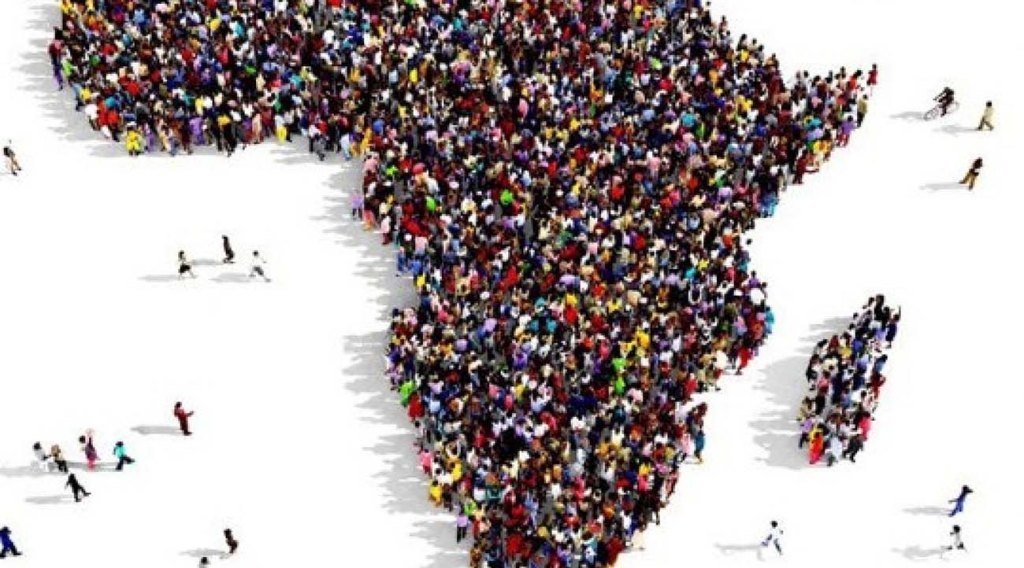
Youth: Percentage of people aged 15 to 24 years who can both read and write with understanding a short simple statement on their everyday life. Generally, ‘literacy’ also encompasses ‘numeracy’, the ability to make simple arithmetic calculations
Adult: Percentage of the population aged 15 years and over who can both read and write with understanding a short simple statement on his/her everyday life. Generally, ‘literacy’ also encompasses ‘numeracy’, the ability to make simple arithmetic calculations
Elderly: Percentage of the population aged 65 years and over who can both read and write with understanding a short simple statement on their everyday life. Generally, ‘literacy’ also encompasses ‘numeracy’, the ability to make simple arithmetic calculations
Gender Parity Index (GPI): The gender parity index (GPI) of the youth literacy rate is the ratio of the female to male literacy rates of the population aged 15 to 24 years. A GPI value between 0.97 and 1.03 is usually interpreted to indicate gender parity.
List of UN member and observer states by adult literacy rate
| Country | UNESCO[3] | Non-UNESCO literacy rate | ||||
|---|---|---|---|---|---|---|
| Literacy rate (all) | Male literacy | Female literacy | Gender difference[note 1] | |||
| World | 86.3% | 90.0% | 82.7% | 7.3% | ||
| Afghanistan | 38.2% | 52.0% | 24.2% | 27.8% | ||
| Albania | 97.6% | 98.4% | 96.8% | 1.6% | ||
| Algeria | 80.2% | 87.2% | 73.1% | 14.0% | 87.7%[6] | |
| Andorra | not reported by UNESCO 2015 | |||||
| Angola | 71.1% | 82.0% | 60.7% | 21.3% | ||
| Antigua and Barbuda | not reported by UNESCO 2015 | 99.0%(2013)[3][note 2] | ||||
| Argentina | 98.1% | 98.0% | 98.1% | -0.1% | ||
| Armenia | 99.8% | 99.8% | 99.7% | 0.1% | ||
| Australia | not reported by UNESCO 2015 | |||||
| Austria | not reported by UNESCO 2015 | |||||
| Azerbaijan | 99.8% | 99.9% | 99.7% | 0.2% | ||
| Bahamas | not reported by UNESCO 2015 | |||||
| Bahrain | 95.7% | 96.9% | 93.5% | 3.5% | ||
| Bangladesh | 73.9% (Year-2018)[note 3] | 76.7% | 71. 2% | 5.5% | 73.9% ( Bangladesh Bureau of Statistics sample vital statistics for 2018) | |
| Barbados | not reported by UNESCO 2015 | |||||
| Belarus | 99.7% | 99.8% | 99.7% | 0.1% | ||
| Belgium | not reported by UNESCO 2015 | |||||
| Belize | 82.7% | 82.3% | 83.0% | -0.7% | ||
| Benin | 38.4% | 49.9% | 27.3% | 22.6% | ||
| Bhutan | 64.9% | 73.1% | 55.0% | 18.1% | ||
| Bolivia | 95.7% | 97.8% | 93.6% | 4.2% | ||
| Bosnia and Herzegovina | 98.5% | 99.5% | 97.5% | 2.1% | 97.2% (2013)[7][note 4] | |
| Botswana | 88.5% | 88.0% | 88.9% | -0.9% | ||
| Brazil | 91.7% | 91.4% | 92.1% | -0.7% | ||
| Brunei | 96.4% | 97.7% | 95.1% | 2.6% | ||
| Bulgaria | 98.4% | 98.7% | 98.1% | 0.7% | ||
| Burkina Faso | 36% | 43.0% | 29.3% | 13.7% | ||
| Burundi | 85.6% | 88.2% | 83.1% | 5.1% | ||
| Cabo Verde | 87.6% | 92.1% | 83.1% | 9.0% | ||
| Cambodia | 77.2% | 84.5% | 70.5% | 13.9% | ||
| Cameroon | 75% | 81.2% | 68.9% | 12.3% | ||
| Canada | not reported by UNESCO 2015 | |||||
| Central African Republic | 36.8% | 50.7% | 24.4% | 26.4% | ||
| Chad | 40.2% | 48.5% | 31.9% | 16.6% | ||
| Chile | 97.3% | 97.4% | 97.2% | 0.2% | ||
| China | 96.4% | 98.2% | 94.5% | 3.7% | ||
| Colombia | 94.7% | 94.6% | 94.8% | -0.2% | ||
| Comoros | 77.8% | 81.8% | 73.7% | 8.1% | ||
| Congo | 79.3% | 86.4% | 72.9% | 13.6% | ||
| Congo, Democratic Republic of the | 77.3% | 88.9% | 66.0% | 22.8% | ||
| Costa Rica | 97.8% | 97.7% | 97.8% | -0.1% | ||
| Ivory Coast | 43.1% | 53.1% | 32.5% | 20.6% | ||
| Croatia | 99.3% | 99.7% | 98.9% | 0.7% | ||
| Cuba | 99.7% | 99.7% | 99.8% | -0.1% | ||
| Cyprus | 99.1% | 99.5% | 98.7% | 0.8% | ||
| Czech Republic | not reported by UNESCO 2015 | |||||
| Denmark | not reported by UNESCO 2015 | |||||
| Djibouti | not reported by UNESCO 2015 | |||||
| Dominica | not reported by UNESCO 2015 | |||||
| Dominican Republic | 91.8% | 91.2% | 92.3% | -1.1% | ||
| Ecuador | 94.5% | 95.4% | 93.5% | 1.8% | ||
| Egypt | 75.2% | 83.2% | 67.3% | 16.0% | ||
| El Salvador | 88.4% | 90.7% | 86.4% | 4.3% | ||
| Equatorial Guinea | 95.3% | 97.4% | 93.0% | 4.4% | ||
| Eritrea | 73.8% | 82.4% | 65.5% | 16.9% | ||
| Estonia | 99.8% | 99.8% | 99.8% | 0.0% | ||
| Ethiopia | 49.1% | 57.2% | 41.1% | 16.1% | ||
| Fiji | not reported by UNESCO 2015 | |||||
| Finland | not reported by UNESCO 2015 | |||||
| France | not reported by UNESCO 2015 | |||||
| Gabon | 83.2% | 85.3% | 81.0% | 4.3% | ||
| Gambia | 55.5% | 63.9% | 47.6% | 16.3% | ||
| Georgia | 99.8% | 99.8% | 99.7% | 0.1% | ||
| Germany | not reported by UNESCO 2015 | |||||
| Ghana | 76.6% | 82.0% | 71.4% | 10.7% | ||
| Greece | 97.7% | 98.5% | 96.9% | 1.6% | ||
| Grenada | not reported by UNESCO 2015 | |||||
| Guatemala | 79.3% | 84.7% | 74.4% | 10.4% | ||
| Guinea | 30.4% | 38.1% | 22.8% | 15.3% | ||
| Guinea-Bissau | 59.9% | 71.8% | 48.3% | 23.5% | ||
| Guyana | 88.5% | 87.2% | 89.8% | -2.6% | ||
| Haiti | 60.7% | 64.3% | 57.3% | 7.0% | ||
| Honduras | 88.5% | 88.4% | 88.6% | -0.1% | ||
| Hungary | 99.1% | 99.1% | 99.0% | 0.2% | ||
| Iceland | not reported by UNESCO 2015 | |||||
| India | 65.79% | 16.6% | 74.0% (2011)[8]Cite error: There are <ref> tags on this page without content in them (see the help page). | |||
| Indonesia | 93.9% | 96.3% | 91.5% | 4.7% | ||
| Iran | 86.8% | 91.2% | 82.5% | 8.7% | ||
| Iraq | 43.7% | 43.0% | 38.0% | 5.0% | 78.5%[9] | |
| Ireland | not reported by UNESCO 2015 | |||||
| Israel | not reported by UNESCO 2015 | 97.8% (2011)[4][note 5] | ||||
| Italy | 99.2% | 99.4% | 99.0% | 0.4% | ||
| Jamaica | 88.7% | 84.0% | 93.1% | -9.1% | ||
| Japan | not reported by UNESCO 2015 | |||||
| Jordan | 97.9% (in 2012) | 98.4% | 97.4% | 1.0% | ||
| Kazakhstan | 99.8% | 99.8% | 99.8% | 0.0% | ||
| Kenya | 78% | 81.1% | 74.9% | 6.2% | ||
| Kiribati | not reported by UNESCO 2015 | |||||
| Korea, Democratic People’s Republic of | 100.0% | 100.0% | 100.0% | 0.0% | ||
| Korea, Republic of | not reported by UNESCO 2015 | |||||
| Kuwait | 96.2% | 96.9% | 95.0% | 1.9% | ||
| Kyrgyzstan | 99.5% | 99.6% | 99.4% | 0.2% | ||
| Laos | 79.9% | 87.1% | 72.8% | 14.3% | ||
| Latvia | 99.9% | 99.9% | 99.9% | 0.0% | ||
| Lebanon | 93.9% | 96.0% | 91.8% | 4.1% | ||
| Lesotho | 79.4% | 70.1% | 88.3% | -18.2% | ||
| Liberia | 47.6% | 62.4% | 32.8% | 29.6% | ||
| Libya | 91% | 96.7% | 85.6% | 11.1% | ||
| Liechtenstein | not reported by UNESCO 2015 | |||||
| Lithuania | 99.8% | 99.8% | 99.8% | 0.0% | ||
| Luxembourg | not reported by UNESCO 2015 | |||||
| Macedonia | 97.8% | 98.8% | 96.8% | 2.0% | ||
| Madagascar | 64.7% | 66.7% | 62.6% | 4.1% | ||
| Malawi | 65.8% | 73.0% | 58.6% | 14.4% | ||
| Malaysia | 94.6% | 96.2% | 93.2% | 3.0% | ||
| Maldives | 99.3% | 99.8% | 98.8% | 0.9% | ||
| Mali | 38.7% | 48.2% | 29.2% | 19.0% | ||
| Malta | 94.1% | 92.5% | 95.7% | -3.2% | ||
| Marshall Islands | not reported by UNESCO 2015 | |||||
| Mauritania | 52.1% | 62.6% | 41.6% | 21.0% | ||
| Mauritius | 90.6% | 92.9% | 88.5% | 4.4% | ||
| Mexico | 94.4% | 95.6% | 93.3% | 2.2% | ||
| Micronesia | not reported by UNESCO 2015 | |||||
| Moldova | 99.4% | 99.7% | 99.1% | 0.7% | ||
| Monaco | not reported by UNESCO 2015 | |||||
| Mongolia | 98.4% | 98.2% | 98.6% | -0.4% | ||
| Montenegro | 98.7% | 99.5% | 98.0% | 1.4% | ||
| Morocco | 72.4% | 82.7% | 62.5% | 20.2% | ||
| Mozambique | 58.8% | 73.3% | 45.4% | 27.9% | ||
| Myanmar | 75.6%[note 6] | 80.0% | 71.9% | 8.1% | ||
| Namibia | 81.9% | 79.2% | 84.5% | -5.3% | ||
| Nauru | not reported by UNESCO 2015 | |||||
| Nepal | 64.7% | 75.6% | 55.1% | 20.5% | ||
| Netherlands | not reported by UNESCO 2015 | |||||
| New Zealand | not reported by UNESCO 2015 | |||||
| Nicaragua | 82.8% | 82.4% | 83.2% | -0.9% | ||
| Niger | 19.1% | 27.3% | 11.0% | 16.3% | ||
| Nigeria | 59.6% | 69.2% | 49.7% | 19.5% | 71.6% (2010)[11][note 7] | |
| Norway | not reported by UNESCO 2015 | |||||
| Oman | 94.8% | 96.9% | 90.0% | 6.9% | ||
| Pakistan | 56.4% | 69.6% | 42.7% | 26.9% | 62.3% (2018)[12][note 8] | |
| Palau | 99.5% | 99.5% | 99.6% | -0.1% | ||
| Panama | 95% | 95.7% | 94.4% | 1.2% | ||
| Papua New Guinea | 64.2% | 65.6% | 62.8% | 2.8% | ||
| Paraguay | 95.6% | 96.1% | 95.0% | 1.1% | ||
| Peru | 94.5% | 97.3% | 91.7% | 5.6% | ||
| Philippines | 96.3% | 95.8% | 96.8% | -1.0% | ||
| Poland | 99.8% | 99.9% | 99.7% | 0.2% | ||
| Portugal | 95.4% | 96.9% | 94.1% | 2.8% | ||
| Palestine | 96.7% | 98.5% | 94.8% | 3.7% | 2015[3] | UN Observer State[13] |
| Qatar | 97.8% | 97.9% | 97.3% | 0.6% | ||
| Romania | 98.8% | 99.1% | 98.5% | 0.6% | ||
| Russia | 99.7% | 99.7% | 99.7% | 0.0% | ||
| Rwanda | 70.5% | 73.2% | 68.0% | 5.2% | ||
| Saint Kitts and Nevis | not reported by UNESCO 2015 | |||||
| Saint Lucia | not reported by UNESCO 2015 | |||||
| Saint Vincent and the Grenadines | not reported by UNESCO 2015 | |||||
| Samoa | 99% | 98.9% | 99.1% | -0.2% | ||
| San Marino | not reported by UNESCO 2015 | |||||
| São Tomé and Príncipe | 74.9% | 81.8% | 68.4% | 13.4% | ||
| Saudi Arabia | 94.7% | 97.0% | 91.1% | 5.9% | ||
| Senegal | 55.7% | 68.5% | 43.8% | 24.6% | ||
| Serbia | 98.1% | 99.1% | 97.2% | 1.9% | ||
| Seychelles | 95.2% | 94.7% | 95.7% | -1.0% | ||
| Sierra Leone | 48.1% | 58.7% | 37.7% | 21.1% | ||
| Singapore | 96.8% | 98.7% | 95.1% | 3.6% | ||
| Slovakia | 99.6% | 99.6% | 99.6% | 0.0% | ||
| Slovenia | 99.7% | 99.7% | 99.7% | 0.0% | ||
| Solomon Islands | not reported by UNESCO 2015 | 84.1% (2015)[4][note 9] | ||||
| Somalia | not reported by UNESCO 2015 | |||||
| South Africa | 94.4% | 95.5% | 93.1% | 2.4% | ||
| South Sudan | 26.8% | 34.8% | 19.2% | 15.6% | ||
| Spain | 98.1% | 98.7% | 97.5% | 1.3% | ||
| Sri Lanka | 92.6% | 93.6% | 91.7% | 1.9% | ||
| Sudan | 53.5% | 59.80% | 46.7% | 13.1% | ||
| Suriname | 95.6% | 96.1% | 95.0% | 1.1% | ||
| Swaziland | 87.5% | 87.4% | 87.5% | -0.1% | ||
| Sweden | not reported by UNESCO 2015 | |||||
| Switzerland | not reported by UNESCO 2015 | |||||
| Syria | 86.4% | 91.7% | 81.0% | 10.7% | ||
| Tajikistan | 99.8% | 99.8% | 99.7% | 0.1% | ||
| Tanzania, United Republic of | 80.3% | 84.8% | 75.9% | 9.0% | ||
| Thailand | 96.7% | 96.6% | 96.7% | -0.1% | ||
| Timor-Leste | 67.5% | 71.5% | 63.4% | 8.1% | ||
| Togo | 66.5% | 78.3% | 55.3% | 23.0% | ||
| Tonga | 99.4% | 99.3% | 99.4% | -0.1% | ||
| Trinidad and Tobago | 99% | 99.2% | 98.7% | 0.5% | ||
| Tunisia | 81.8% | 89.6% | 74.2% | 15.4% | ||
| Turkey | 95% | 98.4% | 91.8% | 6.6% | ||
| Turkmenistan | 99.7% | 99.8% | 99.6% | 0.1% | ||
| Tuvalu | not reported by UNESCO 2015 | |||||
| Uganda | 73.9% | 80.8% | 66.9% | 14.0% | ||
| Ukraine | 99.8% | 99.8% | 99.7% | 0.1% | ||
| United Arab Emirates | 93.8% | 93.1% | 95.8% | -2.6% | ||
| United Kingdom | not reported by UNESCO 2015 | |||||
| United States of America | not reported by UNESCO 2015 | |||||
| Uruguay | 98.4% | 98.1% | 98.7% | -0.6% | ||
| Uzbekistan | 99.6% | 99.7% | 99.5% | 0.3% | ||
| Vanuatu | 85.2% | 86.6% | 83.8% | 2.8% | ||
| Venezuela | 95.4% | 95.0% | 95.7% | -0.7% | ||
| Vietnam | 94.5% | 96.3% | 92.8% | 3.4% | ||
| Yemen | 70.1% | 85.1% | 55.0% | 30.1% | ||
| Zambia | 63.4% | 70.9% | 56.0% | 14.9% | ||
| Zimbabwe | 86.5% | 88.5% | 84.6% | 4.0% |
List of other states and territories
Curbing the Problems of Illiteracy.
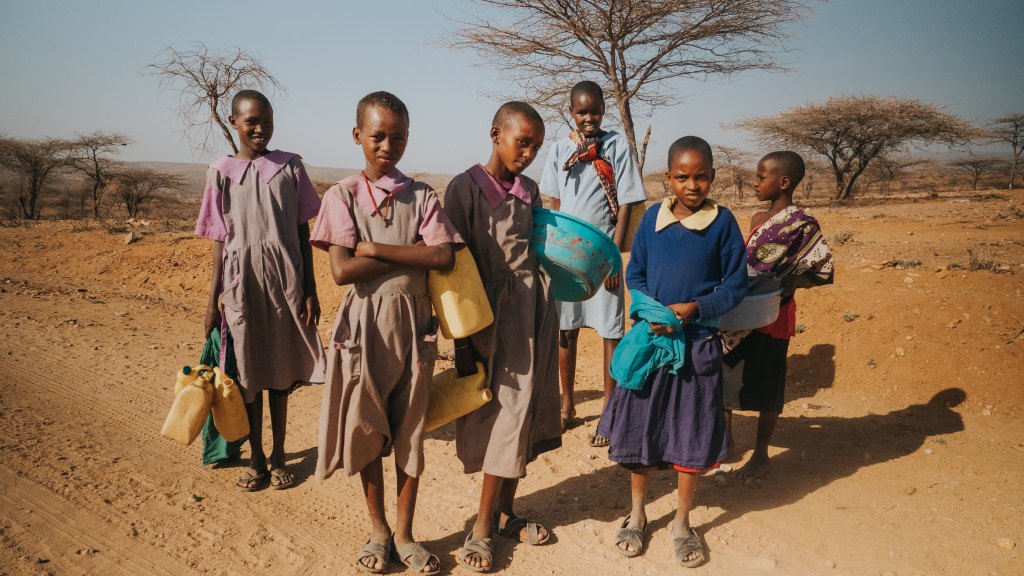
Potential Solutions
Everyone has to work together to defeat illiteracy and its impact. Without the participation of individuals, community organizations, business and government, the situation will never be turned around.
Here are some potential solutions to be considered immediately:
Encourage corporate basic training.
In 2003, at the time of the International Adult Literacy and Skills Survey (IALSS), 54% of adults with very low reading proficiency (Level 1) and 68% of adults with low proficiency (Level 2) were employed.
Main benefits of investing in basic training in the workplace:
- Better job opportunities (prerequisite for access to lifelong learning)
- Greater effectiveness at work
- Greater competitiveness
- More dynamic, enthusiastic workforce
- Greater productivity
- Stronger economy
- Better occupational health and safety record
- Higher retention levels (employees and clients)
- Facilitate knowledge transfer from workers nearing retirement to employees of all ages.
- Work with families to keep children in school and prevent illiteracy.
- Give young people from underprivileged backgrounds the means to study.
- Enhance access to education for Aboriginal people.
The 1% law: fostering the development and recognition of skilled manpower
Why invest 1% in training?
- Raising workforce skill levels to foster employment
- Adjustment and entry into employment
- Impact on the shortage of manpower
- Lever for economic growth
- Greater value given to corporate training
What does this 1% entail?
The obligation to invest at least 1% of payroll in workforce training in a given calendar year. Companies which fail to do this have to pay an equivalent amount into a provincial fund to support the development of workforce training—the Fonds national de formation de la main-d’œuvre. This legislation applies only to firms whose annual payroll is more than $1 million.
Deployment of a Quebec-wide strategy to promote reading
- Recognition of literacy as an ongoing, lifelong process starting at a very early age.
- Support for children with specific difficulties.
- Accompaniment of parents who are illiterate or poor readers as a necessary condition for increasing children’s chances of success.
- Adult education, including literacy training, as an essential link in raising reading proficiency.
- Implementation of measures facilitating access to education to the most disadvantaged communities.
- Need to mobilize all sectors of Quebec society around this fundamental issue to ensure our collective prosperity.
- Deployment of a Quebec-wide campaign to raise awareness of the importance of reading.
Global Rate of Adult Literacy:84 per cent,but 775 Million People Can’t Read.
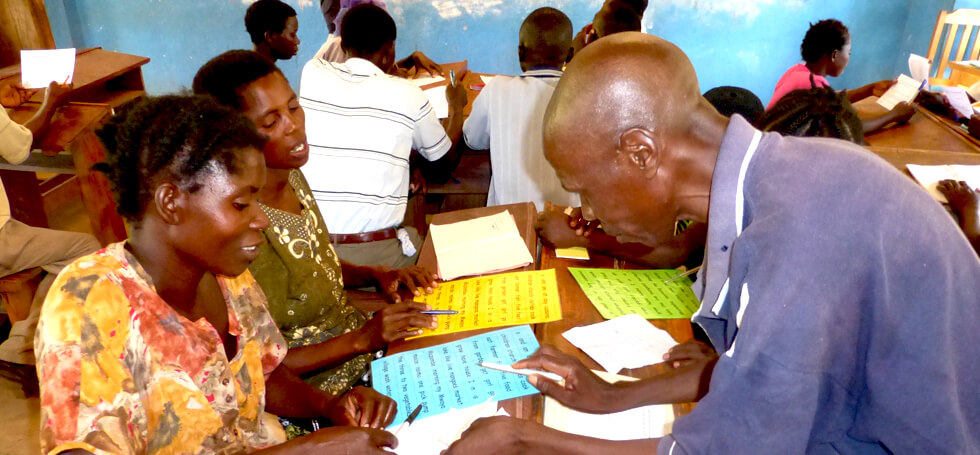
The world is a small place for someone who can’t read. Basic signage, medication labels, job applications: They all become inaccessible, and the chances of a healthy and productive life are slim.
Life expectancy increases as a result of literacy and the United Nations considers it a human right.
In 2010, the global rate of adult literacy climbed to 84 per cent. Still, the United Nations Education, Scientific and Cultural Organization, the agency that monitors literacy around the world, cautions that even as the world celebrates International Literacy Day this Saturday, there are still reasons for concern.
There are 775 million people in the world who are illiterate, with another 152 million children set to follow in their footsteps because they aren’t attending school.
After across-the-board gains between 1990 and 2000, the world literacy rate climbed from 76 per cent to about 82 per cent. Progress has slowed in the decade since. Several countries have plateaued, and only three – China, Indonesia and Iran – are expected to reach the international goal of cutting illiteracy rates in half by 2015.
In order to reach that target, 6 per cent of the world population, or more than 360 million people, will have to become literate. That’s like teaching the entire population of the United States and Canada to read and write, in just three years.
“It’s a staggering number,” said Mmantsetsa Marope, director of learning at Unesco. “We have made progress but it’s substantially inadequate progress.”
Women
The struggle for literacy is in many ways a struggle for gender equality: Women account for nearly two-thirds of those who can’t read.
There are many barriers. Families living in developing countries often struggle to pay school fees, and are sometimes forced to chose which child to send to school. Boys are the preferred choice, as girls are seen as valuable household help for domestic chores.
Story continues below advertisement
This dynamic explains plateaus in literacy rates in several countries. Niger and Mali, for example, have some of the lowest literacy rates in the world, and the literacy rate for women in those countries is less than half of what it is for men.
“When you educate a woman, you educate a village; when you educate a man, you educate an individual,” Ms. Marope said.
Countries that are making progress are doing so by educating females. For example, only 17 per cent of women in Nepal could read in 1990, but by 2010, that number had climbed to 48 per cent.
Youth
Signs of hope emerge in literacy rates of the world’s youth. Nearly 90 per cent of the population between the ages of 15 and 24 are literate, compared to 84 per cent of adults.
It’s a trend consistent across much of the globe, with exceptions such as the Democratic Republic of the Congo, where violence and conflict has destroyed schools and displaced children. (Hence the themes of this year’s literacy day: literacy and peace.)
Many in developed nations are waiting to see how the spread of smartphones and technology will have an impact on youth.
“We’re writing more than we ever had before,” Ms. Eaton said. “We’re not relying on telephones as much, we’re texting and we’re going online.”
There is some concern, however, that jargon and spelling shortcuts that are pervasive in youth culture may contribute to a literacy decline.
Canada
Literacy rates in Canada are high – around 97 per cent – but there is a debate about what that measure really means. Ideas about literacy have shifted, and while measures once focused on a person’s ability to decipher characters and read text, the bar has been raised to consider economic productivity.
“There’s learning to read and then there’s reading to learn,” said Margaret Eaton, president of ABC Life Literacy Canada. “Not enough Canadians have that skill.”
In 2008, her organization authored a report that raised concerns about whether Canadians, including those who have graduated high school, can read well enough to be comfortable with new written information or doing computer work. The report relied on Statistics Canada data that showed 48 per cent of adults age 16 and older didn’t have the literacy skills needed for the working world. The report noted that while many were new immigrants, native-born Canadians with high-school diplomas also had difficulties.
ABC commissioned a market-research group this May to survey executives, 80 per cent of whom said they could not find qualified employees. One of the most common lacking skills they described was literacy.
“There are jobs that are going empty even though we have high unemployment because there aren’t the people who have the skills,” Ms. Eaton said.
How Does the Lack of Education Causes Poverty?
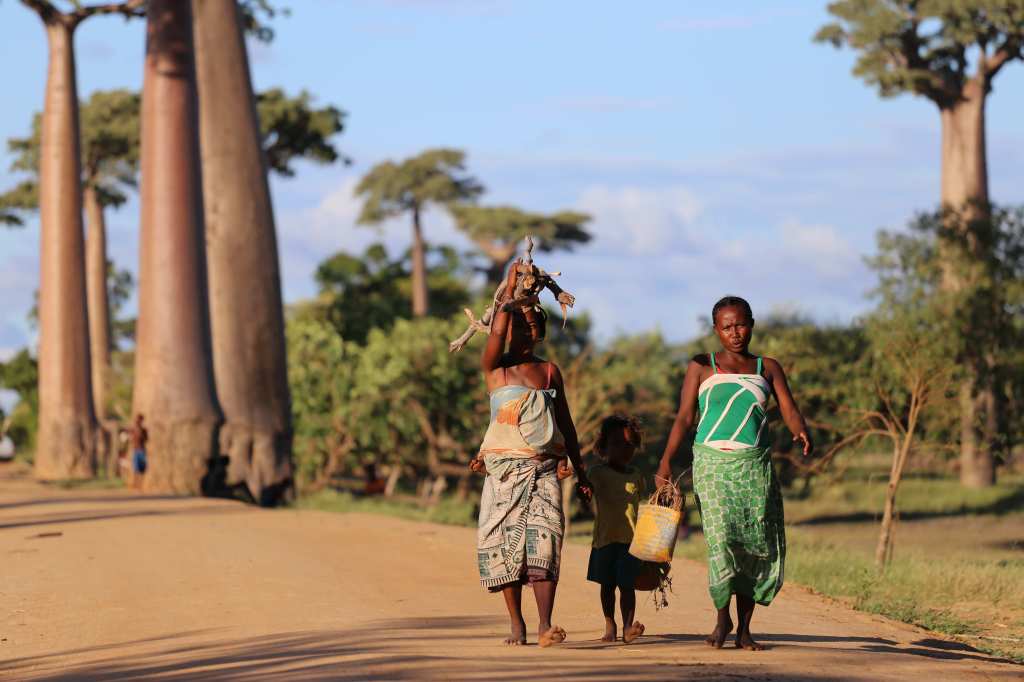
Poverty Is the biggest enemy of education on every level. Poor students fall victim to health issues and lifestyle that hinder their ability to study or learn.
Education can help in eradication of poverty, those in poverty can only be benefit from education. Right education can lift people from poverty and can also improve their health issues, financial crisis, it can change their lives. It is the fact that poverty is both cause and effect of lack of access to education.
Lack of education causes many issues such as:
- Poor health or nutrition deficiency is seen among people due to illiteracy.
- Lack of education causes gender inequality.
- lack of skilled labor and less productivity is seen.
- Lack of opportunity as people are ignorant. Hence lifestyle is low.
These are some problems faced by the poors, as their common characterstics include – Nutritional deficiency, low standard of living, large size of family, unemployment.
“Education is not a way to escape poverty,it is a way to fight it” – J. Nyerere
I believe, it is not easy to explain the relation between poverty and education, yet I tried my best.
Thank you.
Ways of Getting Educated.
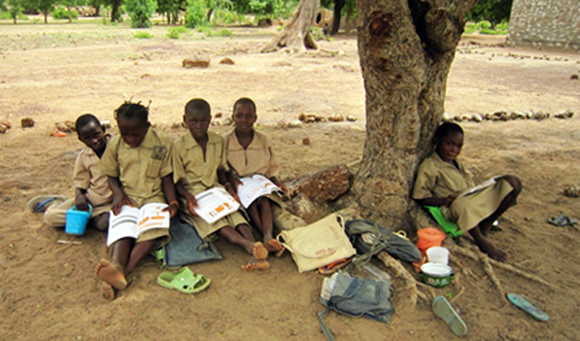
Showing Curiosity
- 1 Be curious.[1] A curious mind seeks to be educated. By asking questions, you can find out a lot of things that many people don’t know and won’t ever know.
- There is no limit to how many questions you can ask, or should ask.
- Be aware that some people are annoyed by questions. In fact, the less a person knows, and the less patient a person, the more a question will bug that person. That in itself tells you a great deal.
- 2 Read, watch and see things that you don’t know anything about. Try to expand your mind by learning beyond your comfort zone and seeing how other people think, perceive and understand things.[2]
- If you only ever see rom-coms, go and see a documentary or an action film instead.
- If you only ever read comics, try a novel instead.
- If you only ever see car rallies, go and see a museum exhibition instead.
3. Challenge yourself.[3] Curiosity is about pushing yourself beyond what you’re used to. There will be times when you feel really uncomfortable, out of your depth and perhaps even upset when trying to learn new things. This can happen especially where you feel dumb, unlearned or when your beliefs and values are challenged. These are the very times when you should keep pushing yourself to learn and to become wiser about whatever it is you’ve been avoiding.
Improving the Basics
-
1
Read English literature and improve your grammar as much as possible.
Read English from different parts of the world, don’t assume that
authors from your own country are the only ones worth reading. By
extending your reading to elsewhere in the world, you’ll discover that
even with one language, the thinking is diverse and the ways of seeing
the world are wonderfully varied.
- When you feel more competent in this area, push into other languages. Realize that learning a language is about immersing yourself in another culture too.[4]
-
2
Extend your learning beyond what school or college teaches you.
If you’re learning or have learned the basics in math, science and
other subjects, find out what you’ve yet to learn and set about teaching
yourself. There is much more beyond the basics and most of it will
challenge you in much more interesting ways than your initial learning
did.
- If you did badly at a subject, do not let this hold you back. Every brain is plastic and capable of being rewired to relearn things and to learn new things. Tell yourself that not being able to do math, chemical equations or spell are just things from the past that you can remedy in the present. Then set about doing so.
- Many textbooks for college and high school are useful starting points when teaching yourself or refreshing on the basics. Use these to get you on the right track, then extend your learning beyond them.
-
3
Read daily. Without fail, always read something, and make it substantial.[5]
- Read world history and learn about different cultures. Understanding history is a key to understanding the present. It is one of the finest ways of self-educating.
- Read about others who self-educate. You will get a lot of tips and ideas for how to continue your own journey of self-improvement.
- 4 Be self-disciplined.[6] Self-education requires very good self-discipline. You won’t have people chasing you to meet deadlines, to get the answers right or to do your studying. It’s all down to you and you’ll need to keep yourself motivated. In itself, developing self-discipline is a very crucial part of self-education.
Learning with Others
-
1
Learn in concert with other people.[7] There are many ways to do this, all while continuing to self educate:
- Associate yourself with educated people, groups, discussions.
- Join a course or college to get a degree or few certificates at least.
- Audit college level subjects. That means, no exams, just all pure learning. Soak it up.
- Attend conferences, seminars, talks, etc. Just being among other people can give you a buzz, all while learning.
-
2
Listen to the senior citizens. They have lived through it all and have amazing memories of the things that were.[8] You can, and will, learn a lot from them if you just take the time to sit with and listen to them.
- Should you feel that what they tell you is old hat and odd, put aside your biases and really listen. There are authentic human things to learn from older people, regardless of where modern technology sits at any one time.
- 3 Go online. Join a MOOC (multi-online open course) or similar online learning courses. Many of these are free and will really push your learning beyond the simple. You can even interact with other peers learning and get and give feedback.
- 4 Observe the habits and behavior of educated people. Borrow from these people what you consider works well to improve the mind and understanding. Observe, learn, and apply what you see good from them.[9]
- 5 Choose a leader to follow or to role model for your life. Who inspires you? Who has said and/or done things that really made you sit up and listen and want to do too? These are the people who make a difference in life and you can make use of their inspiration to further your own learning and relevance.[10]
Learning Beyond the Basics
- 1 Become more worldly about spiritual beliefs. Self educating yourself in religion is an important way to understanding the deepest beliefs and feelings of humanity. Aim to learn all that you can about every religion and show all faiths respect.
-
2
Learn to be a good and thorough researcher. Research
unearths many answers but many people do not have the patience or
tenacity to be good researchers. This skill is a great one to develop,
as it will empower you to find out many things, from the simplest (such
as what time the library stays open until on the weekends) to the most
complex (why do stars die?). But all the in between stuff matters too,
the things that make the wheels of everyday life turn, such as resolving
neighbor disputes over property lines, knowing how to get the local
government to fix broken playground equipment and learning how to get an
audience with your government representative. Knowing how to research
the answers will give you a lot of handy answers to those questions that
the curiosity you’ve been asked to cultivate with bring forth.[11]
- When researching or finding out something new, if you ever have the question ‘why’ or something related to that to a particular subject, then search up on it.
Using Your Self Education
- 1 Try to behave like an educated person, no matter how you feel. Try to act, then learn from your failures.
- 2 Share your knowledge. Make people aware that you know things through the way in which you converse and the way in which you interact with your fellow citizens. By being an informed and active citizen, you can make a positive difference to everyday lives and may even get engaged enough to help push through changes within your own community.[12]
Advantages of education.
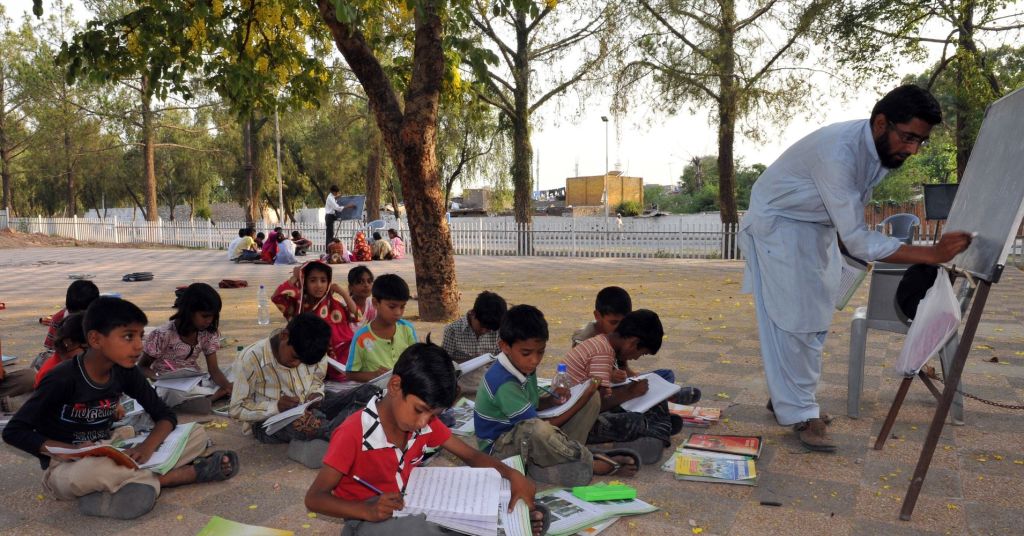
Employment
Candidates with an education, regardless of whether it is in college or a trade, have many more employment options than an unskilled worker. The credits and achievements you make in your educational field help to put you on the right track for a great job. This boosts your independence, and allows you to make a living once you finish studying, and be a positive member of society. People who have studied, and spent the time to learn specialist skills are usually rewarded with a higher salary, and are more financially secure than their uneducated counterparts.
Responsibility
Successfully completing your education teaches you how to manage yourself and be responsible. Throughout your education there will be many times where you’ve had to make sacrifices to study, or write assignments – and you have to spend time away from your family and friends. All just so you can pass your courses. Learning to deal with this, and take responsibility is the core of discovering what you’re really capable of. If you’re struggling on this part, check out this course that covers what is essential in getting educated. Get this right, and it will carry over into all aspects of your life.
Logic
Another great aspect about an education is that it teaches you how to use logic. You learn critical reasoning as you write assignments for your classes, and discover the tools and necessary arguments you can use to reinforce your opinions and back up your claims. It helps you to see when you are being told untruths, as you use your reasoning skills you’ve developed to question and analyze everything that you’re told.
Experience
Throughout your college education you will be in contact with a wide group of peers, much larger than you faced in school. It’s from these people you’ll discover new points of view, learn to appreciate diversity, and grow as a person. It also gives you a better and more developed understanding of the world, and the important current events that are occurring in it. It also helps you to build and reinforce your reputation and social image, which have a strong base in your educational qualifications. People look at you differently if you’re “Dr. Smith”, or Joe at the car wash, it’s an unfortunate fact of life. In addition, a good education allows you to positively contribute and become an active member in a society, as we understand, and participate in the changes and development that is required to make a community great.
Empowerment
Your teachers help you develop and reach your potential, challenging and pushing you to your limits so that you reach new heights, and achieve far greater things than you ever thought possible. Being educated helps establish your independence, and gives you a reliable trust in your instincts and knowledge to make the right decisions. It allows you to make decisions based on logic and reasoning, and create your own responses rather than simply following the pack.
Friends
Throughout your education you’ll have many opportunities to make friends along the way. In your classes and lectures there will be ample chance to meet new people, and circumstances often force you to work in pairs or a group to get a task done. In addition, you’ll also spend a large amount of time with your classmates, so take the time to get to know them. It’s in school and college you form the friendships that last a lifetime, as you are brought together with people that have common interests and share fantastic experiences with.
Learning
The key to education is learning, so that you can benefit from all of the mistakes people before you have made. This base knowledge allows you to capitalize on the solutions, and build on what has been achieved already, without repeating the mistakes. A solid education gives you a base level of understanding that allows you to actively participate in intellectual conversations, and makes you aware and open minded in any situation.
Time Management
With many classes, deadlines, and often additional family or work responsibilities outside of your learning, there will be many demands on your time. As a result, most students turn into effective machines, as they churn out assignments and study for exams, while working part time or looking after their family. This pressure forces you to become a master of time management, which will carry over into all parts of your life.
Discipline
There’s no better place than school to learn that every action has a consequence. Failing to pass a class means that you need to repeat it, where in the real world you may never realize the lost opportunity from missing a deadline or letting down your boss. Learning to deal with the consequences of your actions in a supportive environment is ideal, and will make you a more disciplined individual.
Social Skills
Throughout your education you are often forced to interact with people that you would not talk to in normal circumstances. Embrace it and learn the social skills you need to excel not just in the classroom, but in events, meetings and social gatherings as well. Building the “soft” people skills is a wonderful advantage of an education, and is reflected in the way you talk, make perceptions and interact with everyone that you meet. You’ll be much better off than your uneducated counterparts.
Organizational Skills
Regardless of the job you end up doing, being organized is key to success in your education. You won’t excel unless you have a study plan, allocate time to doing your assignments, and also balance your social life alongside the academic. The organizational skills you develop as you master the balance in your life will always remain and be a benefit to you, even after you graduate and are working full time.
Perspective
What you learn, and the people you meet as you are studying gives you a much broader picture of the world. You’ll understand diversity, other cultures, religions and places, and get a real sense of what the world is all about. This perspective is one of the key advantages of an education, as it opens your eyes to the opportunity that is all around you.
Potential
Throughout your education you have the opportunity to be exposed to many different fields. From accounting to biology, engineering to arts, there is the opportunity to learn almost anything that you could imagine. This lets you choose fields that both excite you, and you’re passionate about.
Reduces Inequality
For people that do not have a fortunate background, education is the greatest equalizer. The availability of education today is much more prevalent than in generations past, allowing individuals from lower socio-economic backgrounds to compete with the majority of job seekers. Being able to gain a degree they are on the same level as many others, and can rise from their present level, reducing inequality, both at an economic and a social level in a society. This course is great as it helps you discover how to get the best education you can.
Ultimately, an education is key to improving the quality of human life. It’s the core where the combined knowledge, skills, customs and values are passed on to the new generation, and are essential in the development of an individual. In addition, the positive influence that these individuals can have on society once they are armed with the knowledge and experience to make a difference is immense, and there is no doubt that education is key to a world that is also a great place in which to live.
Types of Education
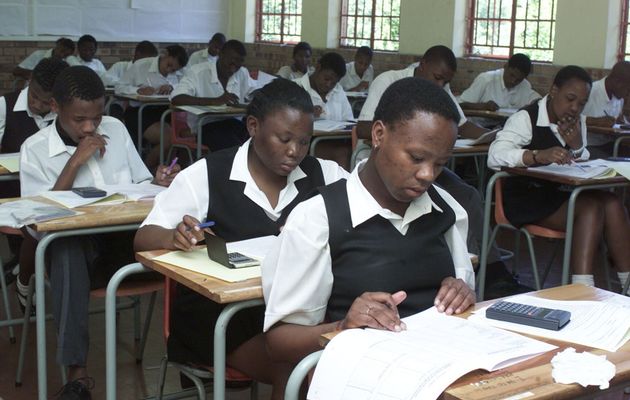
The Main three types of education is as follows:
- Formal Education
- Informal Education
- Non-formal Education
Formal Education: Formal Education Includes
- Practical adult learning
- Diversity in Methods and content
- Mobilizes local resources.
- Built on learners participation
- Real life examples of learning.
Non Formal Education:
- Very Long Process
- Learning from Experience.
- Learning from home.
- Learning from Environment
- Learning from Work.
Informal Education
- It differs from both formal education and Non-Formal Education.
- It includes discussion among students, learning outside the classroom, learning from Videos etc.
- Training activities
- Source of acquiring knowledge will be the Internet, Social Media, electronic/print media, group discussion amongst friends/family members.
Importance of Education.
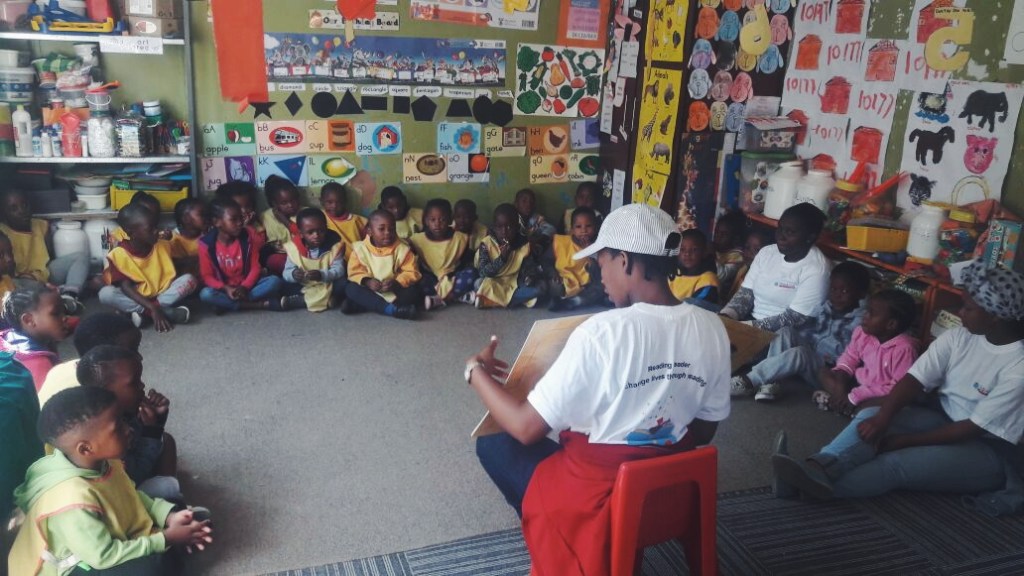
Education gives us a knowledge of the world around us and changes it into something better. It develops in us a perspective of looking at life. It helps us build opinions and have points of view on things in life. People debate over the subject of whether education is the only thing that gives knowledge. Some say education is the process of gaining information about the surrounding world while knowledge is something very different. They are right. But then again, information cannot be converted into knowledge without education. Education makes us capable of interpreting things, among other things. It is not just about lessons in textbooks. It is about the lessons of life.
 Educate Now


